
09.01.2026
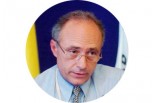
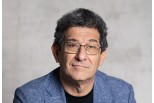
The tropical forest sector was deeply saddened to learn of the death of Francis Hallé, an internationally renowned botanist and leading expert on tropical forests. His scientific work had a profound impact on our understanding of forest ecosystems, particularly through his exploration of the canopy.
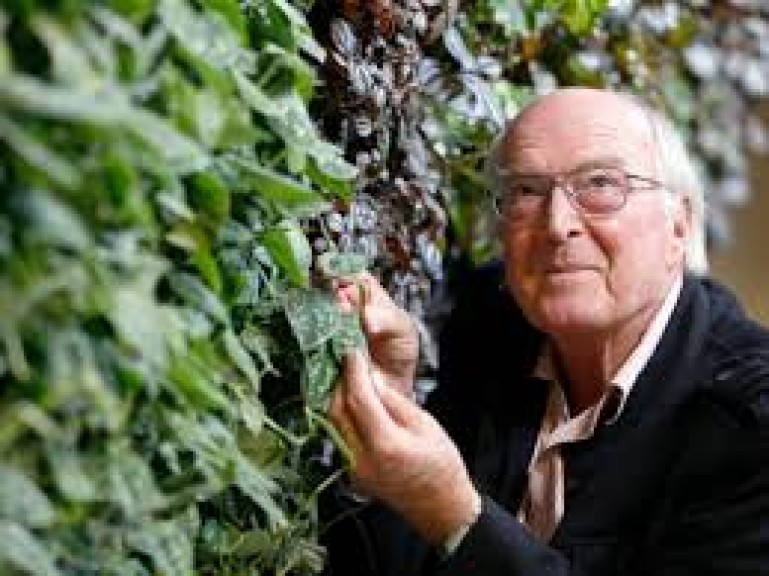
A botanist and biologist by training, Francis Hallé devoted his life to the study of tropical rainforests. He will be remembered in particular for his involvement in the Radeau des cimes (Canopy Raft), a pioneering project that enabled the exploration of the tropical canopy and revealed to the general public the richness and complexity of these long-understood ecosystems. His work made a decisive contribution to advancing scientific knowledge of forest biodiversity and raising international awareness of the fragility of primary forests.
Many tropical foresters and agronomists had Francis Hallé as their teacher. He championed a demanding and idealistic vision of the forest, based on the comprehensive protection of natural ecosystems. This approach, deeply rooted in scientific research, has sometimes diverged from that of ATIBT and its members, who have long been committed to promoting sustainable management of tropical forests that reconciles environmental, social, and economic dimensions.
These differences in perspective do not detract from the quality or importance of his work. On the contrary, they illustrate the diversity of approaches and debates that have shaped international forestry policy for several decades. Where Francis Hallé advocated for the total preservation of so-called “virgin” forests, ATIBT has worked, based on solid field experience, to demonstrate that sustainable management, forest planning, and responsible structuring of the timber industry can be concrete and effective levers for the preservation of tropical forests.
ATIBT honors the memory of a passionate scientist whose research enriched our understanding of living organisms and fueled collective reflection on the future of tropical forests. His work, like that carried out by those involved in sustainable management, contributes in its own way to a common goal: to better understand, protect, and pass on tropical forests to future generations.