
Forgotten Species, untapped potential :
Why Do We Always Use the Same Tropical Wood Species?
.
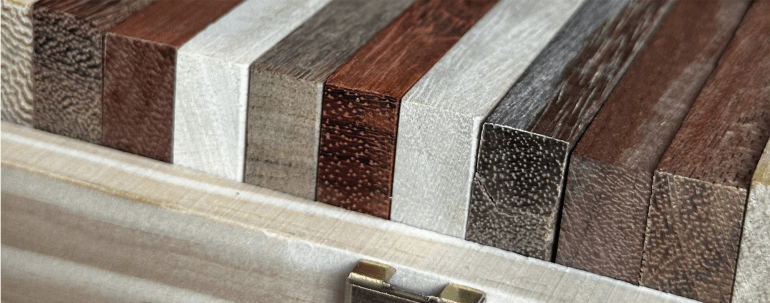
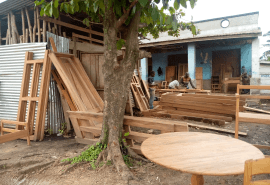
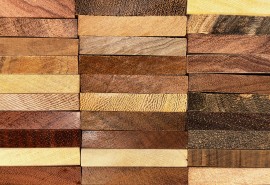
Tropical forests, such as those in the Congo Basin, are home to an exceptional diversity of wood species. However, the market remains focused on a few widely traded species, due to purchasing habits, a preference for well-known products, and still-limited knowledge of other woods.
As a result, many species remain rarely specified or used, despite having interesting technical properties. This concentration makes it more difficult to introduce them to the market and can increase commercial pressure on a limited number of species.
These woods are often referred to as LKTS (Lesser Known Timber Species) or LUTS (Lesser Used Timber Species)—that is, species that are less well-known or less widely used.
From Little-Known Species to New Opportunities
Even when volumes are available, their integration into the market can be slowed by a lack of knowledge, commercial references, and feedback.
For certain species, it is also necessary to better disseminate information about their properties, uses, processing, and application requirements.
Greater awareness and appropriate positioning can help to:
The goal is not to systematically replace a well-known species, but to identify the uses for which each type of wood can be a relevant solution.
Concrete examples: Manilkara and Eveuss
Manilkara and Eveuss concretely illustrate the potential of species that are still little known or underutilized in international markets.
Thanks to their mechanical properties and specific characteristics, these species already have identified potential uses in suitable applications. Promoting their use thus offers the opportunity to diversify supply sources, expand the range of wood products, and develop new commercial offerings.
To learn more about their characteristics, recommended uses, and the prospects they offer, consult the summary prepared by ATIBT.
Better Understanding for Better Utilization
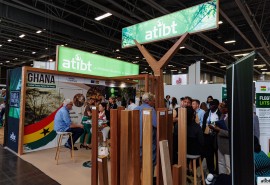
ATIBT helps disseminate knowledge about LKTS/LUTS and brings together producers, importers, processors, specifiers, and users.
By facilitating access to information and highlighting real-world experiences, it helps build trust in these species.
Discover LKTS and share your experience
To learn more about this topic, see:
Do you market or use a tropical timber species that is still underutilized?
Share your experience and contact ATIBT!