
22.05.2026
Gathered in Montpellier at the initiative of the Tropical Managed Forests Observatory (TMFO), 26 international experts in tropical forestry engaged in a collective discussion on the future of sustainable tropical forest management. This scientific meeting highlighted the essential role of sustainable forest management in addressing climate, economic, and social challenges, while calling for strengthened governance, applied research, and the promotion of tropical timber from managed forests.
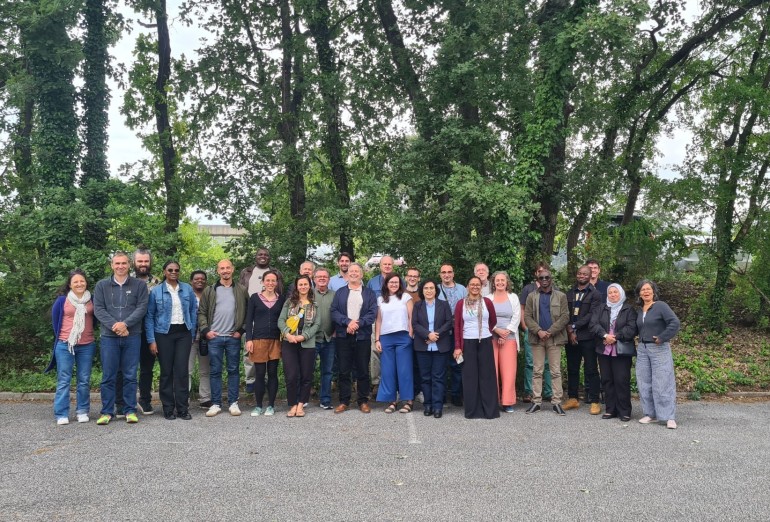
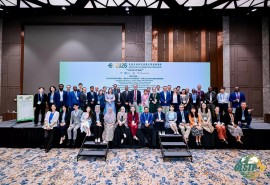
The TMFO (Tropical Managed Forests Observatory, https://tmfo.org/ ) is an initiative bringing together international experts in tropical forestry, research, and sustainable forest management to promote a better understanding of managed tropical forests and their role in conservation, climate, and sustainable development. The network aims to build on decades of scientific and operational experience to produce analyses, recommendations, and decision-support tools for public and private stakeholders in the tropical forestry sector. TMFO also aims to foster interdisciplinary exchanges, strengthen the links between science and public policy, and support sustainable forest management that balances ecosystem conservation, timber production, and the socio-economic development of tropical forest countries. As part of the TMFO network, Plinio Sist from CIRAD’s Forests and Societies Unit organized a workshop in Montpellier at CIRAD’s Lavalette campus, bringing together 26 international experts.
The workshop aimed to launch a project designed to synthesize the scientific knowledge accumulated over more than 50 years regarding the impact of tropical forest management practices, with the goal of proposing new practices adapted to the emerging challenges of tropical forestry. A feedback session was held on Friday for a broader audience. Participants unanimously highlighted the quality of the scientific discussions and the importance of the conclusions reached, which now require operational follow-up.
Key messages from the workshop
The experts advocated an approach that balances tropical forest conservation with the sustainable use of forest resources, as opposed to a vision based solely on strict preservation.
Discussions highlighted the fact that sustainable management is, more than ever, an essential tool for conservation, particularly in a context marked by the gradual depletion of tropical forest resources and the growing need to implement post-harvest silvicultural treatments.
Key Takeaways
Participants emphasized several conditions essential to the success of sustainable tropical forest management:
combating deforestation and forest degradation;
an urgent and determined fight against illegal logging;
strengthening forest governance mechanisms;
economic recognition of sustainable management efforts.
Particular attention was paid to the potential role of carbon markets, which participants believe should contribute more to financing sustainable management and differentiate the value of timber based on its origin and environmental guarantees.
Experts identified several major challenges for the future of the tropical forestry sector:
· Recognizing sustainable forest management and conservation as clearly complementary mechanisms.
· Developing appropriate silvicultural practices to ensure the regeneration of forest stands and the resilience of tropical forests.
· Promoting social forestry and strengthening the involvement of local communities in forest resource management and benefit sharing.
· Identifying research priorities to address the new environmental, economic, and social challenges facing the tropical forestry sector.
· Creating favorable conditions for establishing the political, economic, and regulatory frameworks necessary for the development of sustainable forest management.
· Adapting forest management to the impacts of climate change and strengthening the role of forests in carbon mitigation.
· Balancing the restoration of degraded forest landscapes with the maintenance of sustainable tropical timber production.
Importance of Lesser-Known Species
Discussions highlighted the urgency of promoting lesser-known tropical timber species (Lesser Known Timber Species – LKTS) or lesser-used tropical timber species (Lesser Used Timber Species – LUTS) to ensure more sustainable management of tropical forests.
It was noted that market acceptance of these new species will require:
robust scientific research;
better technical characterization of the wood;
and, above all, targeted communication efforts aimed at buyers and specifiers.
Toward a TMFO Expertise Network
Part of the discussions focused on the possibility of considering this expert group as a scientific community capable of addressing the challenges facing the tropical forestry sector and informing public policies, market strategies, and international debates on tropical forests.
Outlook and planned follow-up
Participants viewed this meeting as an important step toward strengthening scientific and strategic dialogue on the sustainable management of tropical forests and the role of certified tropical timber in the global ecological transition. The group plans to draft a report summarizing the scientific knowledge accumulated over the past 50 years on the impact of selective logging and silvicultural practices, with the aim of translating this into practical recommendations for the sustainable management of tropical forests—both present and future—to be presented in an opinion piece.