
03.04.2026
A major development is currently underway in Brazil regarding the regulatory framework for sustainable forest management (SFM), with potential implications extending beyond the country to the entire Amazon region.
IBAMA and CONAMA: key institutions explained
At the center of this process are two key institutions in Brazil’s environmental governance:
Revision of CONAMA Resolution 406
IBAMA has officially announced its intention to revise CONAMA Resolution No. 406 of February 2, 2009, which sets out the technical parameters governing:
This resolution has been a cornerstone of Brazil’s SFM regulatory framework for over 15 years.
To support this revision, IBAMA Ordinance No. 2460/25 established a working group composed of 17 members from IBAMA, academia, and research institutes.
A strategic issue for the tropical forestry sector
The revision of Resolution 406 is of high importance for the entire sustainable forest management sector in Brazil.
Beyond its national scope, this process may:
After more than 27 years of implementation of the current framework, forest management practices have significantly evolved, particularly in terms of:
ATIBT’s engagement
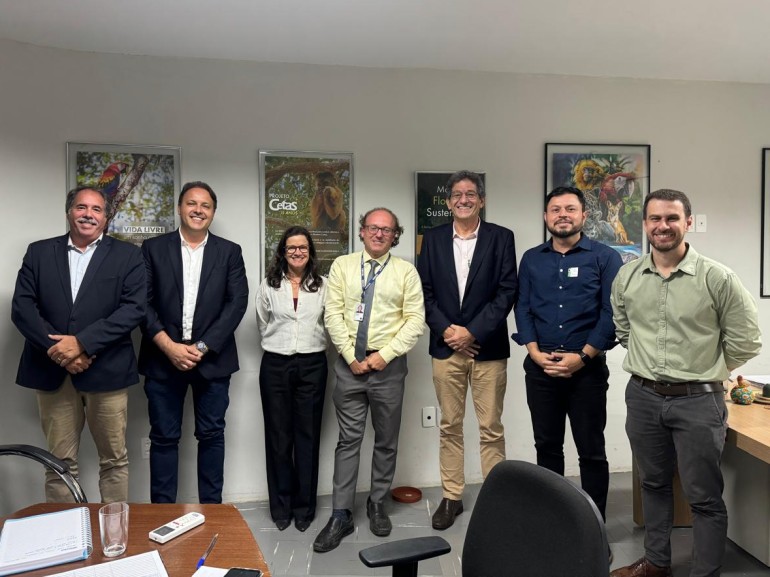
In early March, IBAMA hosted at its headquarters in Brasília a group of private sector representatives (AIMEX, ATIBT, FNBF, and Precious Woods) to discuss key points of the report and to open a channel of communication with the sector. ATIBT is part of this private sector discussion group.
The goal is to contribute to a regulatory framework that is ambitious, enforceable, and tailored to the contemporary challenges of sustainable tropical forest management.