
27.03.2026
A recent scientific publication titled “Timber Production and Ecosystem Functions and Services in the Congo Basin”, authored by Richard Eba’a Atyi, Jervais Nkoulou, Ghislain Moussavou, Achille Biwole, Jules Christian Zekeng, and Salomon Mampeta Wabasa, provides an in-depth and timely analysis of the forestry sector in Central Africa.
Published in the collective work Resilience and Sustainability in the Congo Basin (Springer Nature, 2026), this chapter brings together leading experts from institutions such as CIFOR-ICRAF, IRET (Gabon), and the University of Douala, offering a robust scientific framework to understand the current dynamics and future trajectories of timber production in the region.
A dual forestry model: industrial and artisanal realities
The publication highlights the coexistence of industrial and artisanal logging systems, a defining feature of the Congo Basin forestry sector. Industrial logging—largely export-oriented—operates through concessions, while artisanal logging primarily supplies domestic and regional markets.
This dual structure reflects both the economic importance of timber—supporting employment and public revenues—and the governance challenges associated with informal or poorly regulated activities.
Sustainable forest management: progress and limitations
The authors underline the significant progress made over the past decades in embedding sustainable forest management (SFM) practices. Today, approximately 70% of forest concessions are under management plans, demonstrating a real shift toward structured and regulated forestry.
Certification systems such as FSC and PAFC, alongside legality verification tools and European regulatory frameworks (EUTR, FLEGT VPAs, and now EUDR), have played a central role in this transition. These instruments aim to curb illegal logging while promoting transparency and responsible trade.
However, the study also points to persistent challenges, including uneven enforcement, declining certification uptake in some contexts, and uncertainties regarding resource regeneration after the first logging cycles.
Balancing economic value and environmental impacts
The research provides a nuanced assessment of the sector’s impacts. While timber production remains a key economic driver supporting millions of livelihoods, it also exerts pressure on ecosystems:
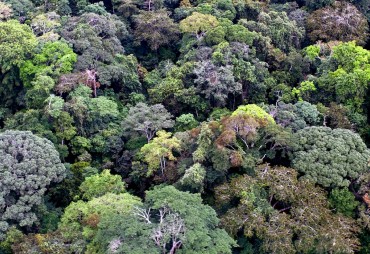
At the same time, the Congo Basin forests continue to represent a major global carbon sink, highlighting the strategic importance of maintaining their integrity.
Emerging solutions: plantations and environmental markets
Looking ahead, the authors identify several promising avenues:
These approaches reflect a broader shift toward integrating forestry into global climate and biodiversity finance mechanisms.
Key recommendations for the future
The publication concludes with a clear strategic roadmap:
A strong alignment with ATIBT’s mission
This scientific contribution strongly resonates with ATIBT’s core mission: promoting sustainable, legal, and value-added tropical timber from the Congo Basin.
The study reinforces several key messages long advocated by ATIBT:
By bridging scientific research and policy recommendations, this publication provides valuable insights for stakeholders across the forest-wood value chain.
ATIBT channel on YouTube
ATIBT channel on YouTube