
09.10.2026
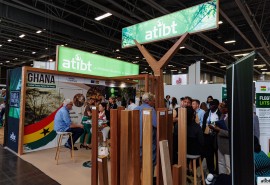
In the Mexican states of Campeche and Quintana Roo, ATIBT and the Túumben K’óoben cooperative are supporting forest communities in strengthening timber traceability and improving their access to markets. Implemented under the AL-INVEST Verde programme, the “Madera Cero Deforestación” project combines digital tools, training and the search for commercial partners
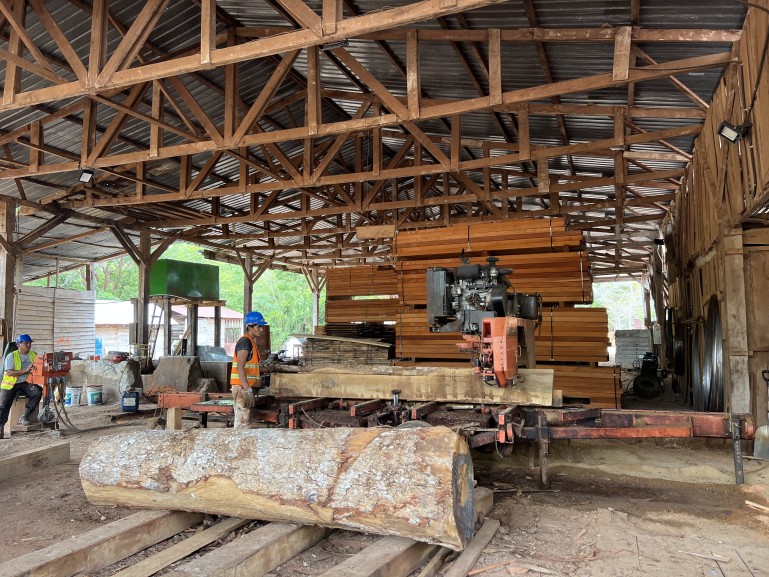
Developing traceability with users
The work builds on a pilot in the Noh-Bec ejido, a community managing land and forests in Quintana Roo. Forest and sawmill teams received training in the Smart Agro application, developed by Hemav. Initial trials identified adjustments that were needed, including additional information fields. Once the developers had incorporated these changes, further field testing yielded satisfactory results.
This participatory approach helps adapt the tool to the realities of community forestry. It also helps prepare producers to meet market requirements for traceability and documentation of timber origin, particularly in Europe.
Sharing methods and building skills
To facilitate uptake of the solution, a knowledge transfer guide was developed based on the experience in Noh-Bec. It explains the steps involved in using the application and addresses technical aspects of production, forest management, certification and community governance.
Two workshops held in Chetumal and Xmejía brought together 50 participants and representatives of 14 ejidos. They involved forest communities, technical service providers and public institutions. These exchanges helped share lessons from the pilot and generated interest in digital traceability among other ejidos.
Promoting timber species and expanding market opportunities
Beyond tracking timber, the project seeks to align the supply from forest communities with buyers’ needs. Promoting the available species and products from sustainably managed forests is part of this effort to increase the value of local resources and support access to differentiated markets.
For buyers, linking traceability with the commercial offering should make it easier to identify suppliers and understand their capacities. For communities, it provides an opportunity to better showcase their timber, products and management practices.
This support encourages ejidos to move further up the value chain. Some communities still sell their timber as logs. Exchanges with communities that have more developed operations should help them explore opportunities for processing and marketing.
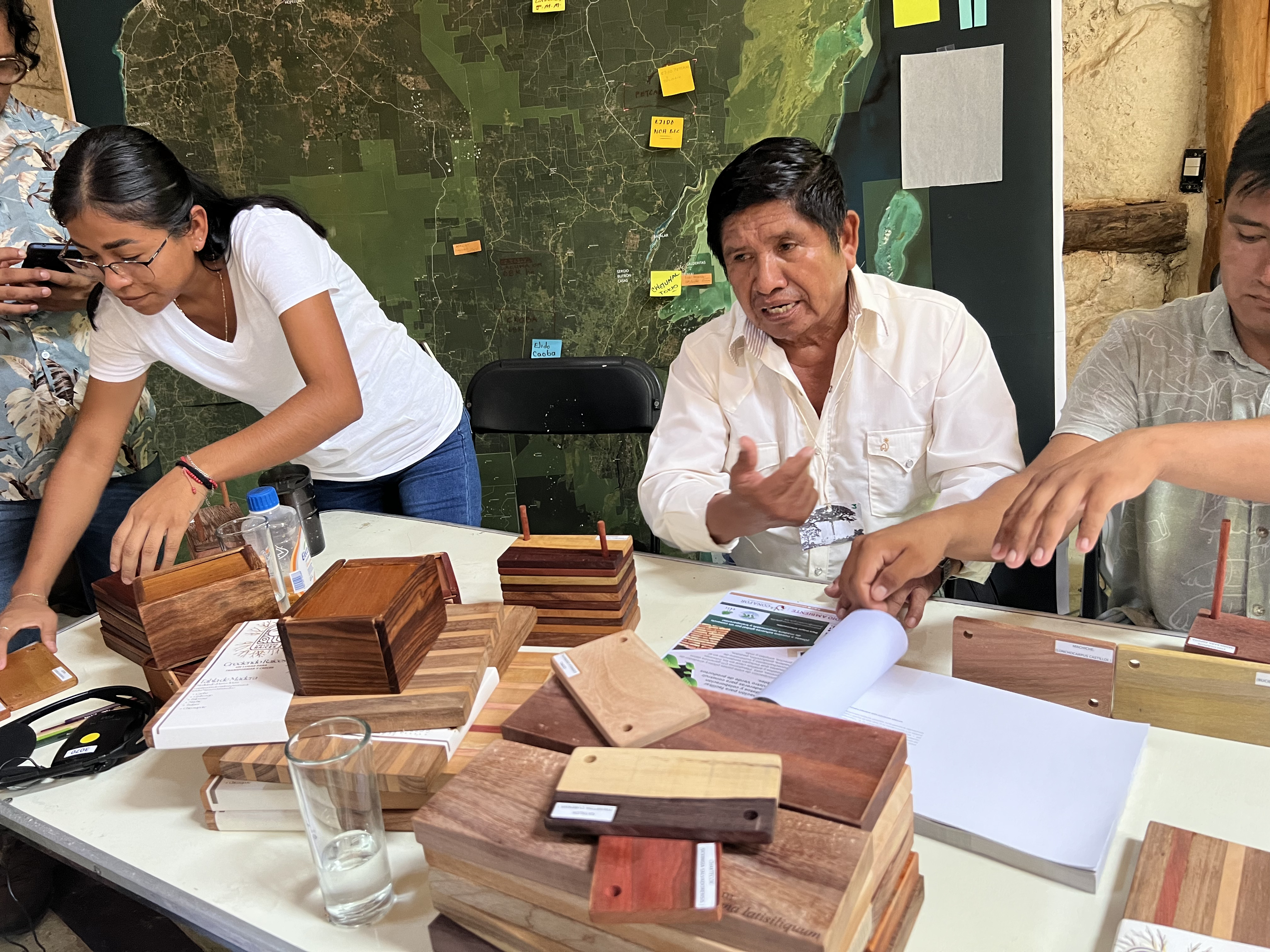 Promotion of Selva Maya woods
Seeking commercial partners
Preparatory work for a meeting in Cancún has begun with the Quintana Roo Secretariat for Economic Development and other partners. The aim is to connect ejidos capable of supplying the market with potential buyers, particularly hotel groups operating in the Riviera Maya and Cancún.
The relationships established with public institutions support this approach. Campeche’s forest sector revitalisation strategy offers opportunities for cooperation to connect producers with differentiated markets.
The search for partnerships adds a commercial dimension to the technical progress achieved. By combining traceability, timber promotion and dialogue with buyers, ATIBT and its partners are helping create the conditions for sustainable market opportunities for Mexican forest communities.
The Selva Maya: a valuable ecosystem that can be managed sustainably
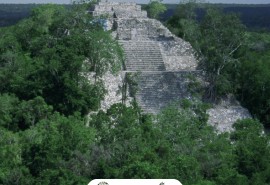
The Selva Maya is a vast forest region spanning southeastern Mexico’s Yucatán Peninsula, northern Guatemala and Belize. According to the Rainforest Alliance catalogue, it covers more than fourteen million hectares. The region encompasses tropical forests, rural communities and Maya cultural heritage.
Its timbers offer a wide variety of colours, textures and technical properties. Notable species include big-leaf mahogany (Swietenia macrophylla) and tropical cedar (Cedrela odorata), valued particularly for joinery and furniture. Tzalam (Lysiloma latisiliquum), machiche (Lonchocarpus castilloi), chechén (Metopium brownei), granadillo (Platymiscium yucatanum), Pucté (Terminalia buceras) and ziricote (Cordia dodecandra) illustrate the richness of this resource. The catalogue presents thirty-five species of commercial interest, describing their characteristics and potential uses.
The value of the Selva Maya extends far beyond timber production. It is a reservoir of biodiversity, home to the jaguar, Baird’s tapir and the scarlet macaw. Its forests store carbon, help regulate the climate and maintain water cycles. They also provide food resources and non-timber forest products, such as chicle from the chicozapote tree.
Mexican ejidos and Guatemalan community forest concessions play an important role in managing these resources. In the face of deforestation, illegal logging and habitat fragmentation, the responsible use and promotion of timber species, combined with sustainable management and profitable market opportunities, can support both forest conservation and local economies.
In Guatemala, also within the Selva Maya, ATIBT is involved in the ConForMa project, managed by CIRAD and supported by FFEM, helping to promote the forest resources of Petén’s community forests.