
28.08.2026
A report published by FAO and Bauhaus Earth at London Climate Action Week 2026 shows how greater use of wood in construction could reposition the building sector, currently responsible for 37% of global energy and process related emissions, as a driver of climate change mitigation.
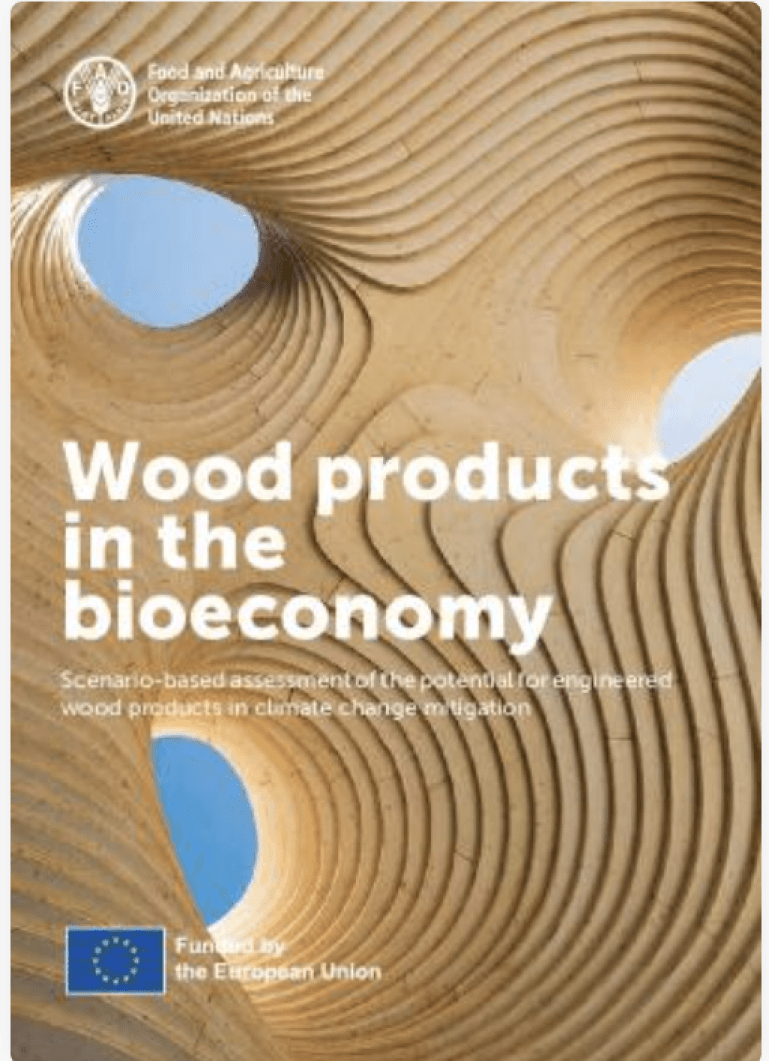
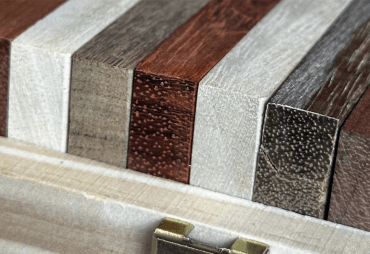
The report, Wood products in the bioeconomy: scenario-based assessment of the potential for engineered wood products in climate change mitigation, focuses on engineered wood products (cross-laminated timber, composite panels, structural elements made by bonding layers or fibres of wood), whose use is growing in construction thanks to a lower carbon footprint than steel or concrete.
Under the scenarios examined, increased urban adoption of these materials could raise global demand by 50 to 250 million m³ per year. With a target of 20% of new residential buildings built using engineered wood products, global emissions could fall by 236 MtCO2 eq per year over the 2025 to 2070 period, compared to a business as usual scenario, with about two thirds of the benefit coming from carbon storage in wood products and the rest from the substitution of more carbon intensive materials.
The regional impact would be particularly significant in Africa: under the same scenario, the continent would need to produce nearly 20 million m³ of additional coniferous sawnwood, a 165% increase on current levels, compared to around 30% for Asia. The report also notes that North America could shift from being a net exporter to a net importer of industrial roundwood, while Europe would strengthen its position as an exporter.
According to Zhimin Wu, FAO Assistant Director General and Director of the Forestry Division, the climate benefits of engineered wood products in construction are real, but realising them will depend on coordinated policies able to address regional imbalances, climate risks and governance challenges.
The report flags a key point of caution: rising demand must not translate into additional pressure on natural forests. It notes that around half of global industrial roundwood currently comes from naturally regenerating forests, the other half from planted forests, and that planted forests will need to play a growing role in meeting future demand, provided national policies and sustainable forest management are in place. The document also calls for sustainability standards and strong governance to safeguard forest conservation.
These prospects concern producing countries in the Congo Basin directly, as they are expected to absorb a growing share of global timber demand. They align with ATIBT's mission: promoting sustainable forest management and legal timber harvesting, conditions essential for ensuring that the anticipated growth in demand benefits forests and local economies rather than putting them under strain.
Access the full report: Wood products in the bioeconomy
FAO & Bauhaus Earth (2026). Wood products in the bioeconomy: scenario-based assessment of the potential for engineered wood products in climate change mitigation.